

Creating an Effective Post-Holiday ABA Routine for Success
Key Takeaways
- Comprehending the After-Holiday ABA Schedule
- Techniques for Shifting Back to ABA
- Tackling the Holiday Obstacles in ABA
- Reward Methods for a Seamless Comeback
- Modifying ABA Approaches for Personal Requirements
Understanding the Post-Holiday ABA Routine
The transition back to a post-holiday ABA routine can often feel overwhelming for both children and practitioners. The holiday season typically brings about a shift in daily rituals and routines, which may lead to behavioral changes that need to be addressed. Creating a structured plan helps ease the transition, allowing children to gradually readjust to the expectations of ABA therapy. Parents and therapists may need to work together to identify specific behavioral changes that occur after the holiday, ensuring that the goals set for the upcoming months align with the child’s needs. This collaboration not only fosters a sense of community but also offers relief as families navigate the countdown to a more stable routine. By tailoring applied behavior analysis (ABA) methods to suit individual progress, the post-holiday ABA routine can support children in regaining focus and motivation in their therapy sessions.
| Area of Focus | Behavioral Change | Strategies to Implement |
|---|---|---|
| Routine Adjustment | Increased difficulty with transitions | Use visual schedules to prepare for changes |
| Attention Span | Shortened attention during sessions | Incorporate short, engaging activities |
| Social Interaction | Sharp decrease in social skills | Create opportunities for peer interaction through group activities |
| Compliance | Resistance to following instructions | Utilize positive reinforcement techniques for compliance |
Importance of Consistency After Holidays
Establishing a post-holiday ABA routine is crucial to maintaining the progress made before the holiday season. During holiday preparations and events, routines often shift significantly, which can disrupt the structure that reinforces positive behaviors. As individuals transition back into their regular schedules, consistency becomes vital for effective post-holiday adjustments. Without a solid post-holiday routine, individuals may struggle to recalibrate after engaging in various holiday-related activities that deviate from normal expectations.
Reinforcing pre-holiday routines helps create a smoother transition back into structured learning environments. Recognizing that the post-holidays doesn’t simply revert to prior habits is essential. Many can experience lingering effects from holiday activities, making the return to regular routines more challenging. By implementing consistent practices and focusing on individualized support, the post-holiday ABA routine can effectively promote stability and help learners readjust to their educational goals.
Common Challenges Faced in ABA After Breaks
The transition back to a post-holiday ABA routine can be challenging for both practitioners and clients. Busy holiday periods often disrupt established ABA schedules, leading to potential regression in skills. Holiday-related changes in environment and routine can introduce new behaviors that may not have been present during pre-holiday times. The excitement of holiday festivities and holiday traditions can affect focus and engagement, making it essential to anticipate these challenges upon returning from breaks.
Adjusting to the unique dynamics of the holiday period can also lead to increased anxiety and unpredictability for clients. Holiday commitments and the overall shift in daily structure may necessitate a reevaluation of previously effective strategies. Practitioners need to be aware of these factors and proactively address them to ease the transition. Reinforcing familiar routines and gradually reintroducing activities can help mitigate the impact of these common challenges as individuals readjust to their post-holiday ABA routine.
Strategies for Transitioning Back to ABA
Transitioning back to a post-holiday ABA routine requires careful consideration of the holiday experiences that may have influenced a child’s behavior. Memorable holiday experiences, such as gatherings with family and friends, can lead to significant holiday changes in routines and expectations. Implementing a structured schedule can help ease the adjustment from holiday environments and festivities back to consistent ABA practices. Recognizing the impact of fulfilling holiday experiences is essential for understanding potential behavioral shifts. A gradual reintroduction of activities aligns with the need to accommodate the excitement and unpredictability that often accompany holiday celebrations, ensuring that the transition is smooth and supportive for the child.
Creating a Structured Schedule
Establishing a structured schedule is essential for a successful post-holiday ABA routine. The excitement and changes from the holidays can disrupt established patterns. Integrating holiday elements into the routine, such as holiday-themed activities, can provide a bridge for children to navigate holiday transitions. By incorporating these elements thoughtfully, practitioners can enhance the learning environment while ensuring meaningful holiday experiences.
A structured schedule helps maintain progress achieved before the holidays and promotes a sense of stability. Including holiday-appropriate reinforcers can make the transition smoother and more motivating. Activities that reflect the fun of the holidays can be effective in engaging learners. This approach not only supports the retention of skills but also reinforces positive behaviors, paving the way for continued growth in the post-holiday ABA routine.
- Establish specific time blocks for learning activities and breaks.
- Include holiday-themed tasks to maintain engagement.
- Establish consistent routines that reflect the structure of pre-holiday schedules.
- Use visual schedules to help children anticipate each part of the day.
- Introduce fun reinforcers related to holiday themes to motivate learners.
- Regularly assess and adjust the schedule based on the child’s needs and progress.
- Communicate with caregivers to ensure consistency between home and therapy settings.
Gradual Reintroduction of Activities
Reintroducing activities after the holiday season can be pivotal for a successful post-holiday ABA routine. While the busy holiday season may bring excitement, it can also lead to disruptions in established patterns. This transition period is a great opportunity to prepare students by rehearsing holiday-specific communication skills. Rehearsing holiday activities ahead of time ensures they feel more confident and familiar with routines, helping to smooth the path for a return to structured learning.
Using visual schedules and social stories to prepare for holiday changes serves as an effective ABA strategy. These tools can help foster understanding and reduce anxiety about returning to a more routine environment. Creating an environment that acknowledges inclusive holiday experiences can bridge the gap between the festive season and the structured demands of post-holiday ABA routines. By gradually reintroducing activities, individuals can adapt more seamlessly to their educational objectives and regain momentum in their learning journey.
Addressing the Holidays Challenge in ABA
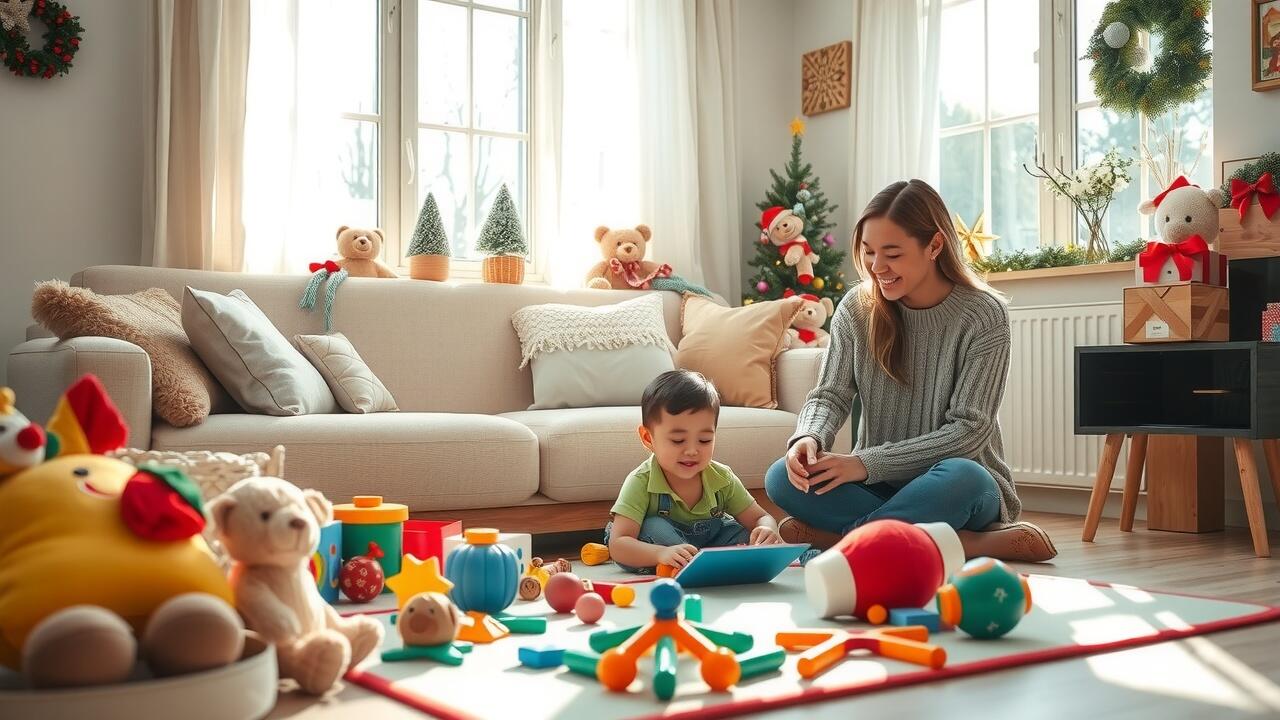
The transition into a post-holiday ABA routine can present unique challenges for both practitioners and clients. Enjoyable holiday experiences, such as attending holiday parties and interacting with family, can lead to behavioral changes that require careful observation. Holiday decorations foster a stimulating environment, which may disrupt established routines. It is essential to identify these shifts in behavior and apply effective ABA techniques to navigate the transition smoothly. A structured evening routine can help in reestablishing consistency. Personalized ABA strategies tailored to address the effects of long holiday breaks and common holiday interactions will facilitate a more effective return to familiar practices. Progress from previous posts serves as a valuable reference point to guide the adjustment process, ensuring a supportive approach during the holiday seasons.
Identifying Behavioral Changes Post-Holiday
Post-holiday adjustments can significantly shift the dynamics of a child’s post-holiday ABA routine. During holiday breaks, routine activities often change, leading to variations in behavior. Families may notice that children become less focused or struggle with transitions as they shift from the excitement of holiday meals and celebrations back to the structured environment of therapy. Utilizing countdown calendars can help ease this transition, providing a visual cue for the return to routine step by step.
Behavioral changes following a holiday break can reflect the disruption of routine prior to the holiday. It is essential to observe these shifts to tailor the upcoming routine to meet the child’s specific needs. By closely monitoring responses to structured activities, caregivers can apply ABA principles to address any inconsistencies. Adjusting expectations and reinforcing positive behaviors will promote stability as children acclimate to their post-holiday ABA routine.
Collaborative Approaches with Families
Engaging families in the post-holiday ABA routine is vital for ensuring a smooth transition back to usual routines. Families can work closely with the ABA provider to outline routine steps that ease the reintegration process. This collaboration is especially important after the holiday season, which often disrupts established habits. Utilizing visual countdown calendars can help both children and families prepare for the return to structured routines. These countdowns can create excitement and anticipation for the return to normalcy while reinforcing the importance of consistency in ABA progress year-round.
Encouraging open communication between families and ABA providers enables a shared understanding of any behavioral changes observed after holiday festivities. By discussing how to navigate holiday meals and other disruptions, families can develop a simplified routine tailored to their child’s specific needs. This collaborative approach not only fosters ABA success but also strengthens the partnership between parents and providers, ensuring that children receive the support necessary for a successful post-holiday ABA routine.
Reinforcement Techniques for a Smooth Return
Establishing a robust post-holiday ABA routine requires thoughtful reinforcement techniques that recognize the impact of festivities on a child’s behavior. Integrating a calendar part into daily rituals helps children anticipate routine adjustments after the celebrations. For example, introducing holiday lighting can serve as a visual cue, reminding them of the transition from holiday activities to their structured morning routine. Such techniques can transform the return to normalcy into a rewarding experience, with positive reinforcement enhancing engagement during weekends. Effective ABA implementation increases when routines are structured, allowing children to navigate their environment confidently and adapt smoothly post-holiday.
- Provide clear visual schedules to help children understand daily expectations.
- Use positive reinforcement, such as verbal praise or small rewards, to encourage adherence to routines.
- Create a countdown calendar to mark significant dates and changes in routine.
- Incorporate familiar activities or favorites to ease the transition back to routine.
- Schedule regular check-ins to discuss feelings and any difficulties during the adjustment.
- Engage in role-playing or storytelling to help children express their experiences and emotions.
- Maintain consistency in routines to foster a sense of security and predictability.
Utilizing Positive Reinforcement
Positive reinforcement plays a crucial role in establishing a smooth transition back to a post-holiday ABA routine. Celebrating achievements during this time can help ease children back into their regular routine. Incorporating outcomes from holiday-themed books or sensory-friendly holiday programs can motivate learners by linking familiar traditions to their ABA therapy schedules. Acknowledging small milestones during the restoration process makes the return to structured schedules more enjoyable.
Maintaining engagement through positive reinforcement encourages children to participate actively in their post-holiday ABA routine. Utilizing seasonal items as rewards can enhance motivation and create a connection to festive experiences. These inclusive celebrations foster a supportive environment where children feel valued and understood. This strategy not only reinforces desired behaviors but also highlights the importance of transitioning back to familiar routines in a manner that feels celebratory and affirming.
Setting Achievable Goals
Creating achievable goals during the post-holiday ABA routine is crucial for maintaining aba consistency. As families transition from festive celebrations and holiday foods back to routine, it becomes important to establish daily schedules that reflect normal schedules. Setting specific, time-bound objectives can help manage the seasonal challenges that arise from disruptions in routines. These goals should take into account the impact of events and periods that may have altered children’s behaviors during December.
Customizable schedules are particularly effective in accommodating individual needs while promoting a good day. By breaking down larger goals into smaller, manageable steps, caregivers can foster a sense of accomplishment. This approach not only aids in smooth reintegration but also prepares children for future periods, ensuring that the transition back to ABA is as seamless as possible. Regularly assessing and adjusting these objectives can lead to greater engagement and a positive outlook as families navigate through the post-holiday ABA routine.
Adapting ABA Methods for Individual Needs
Creating a post-holiday ABA routine tailored to individual needs is essential for a smooth transition back to structured learning. The shift from festive traditions and decorations to a normal routine can be challenging, particularly as families readjust from special events. Incorporating chores and community-based events into the regular schedules can help mitigate disruption and promote engagement. Assessing how each individual thrived before the holiday break aids in designing a full routine that reflects their unique preferences and strengths. Emphasizing the routine benefit of consistency allows for smoother integration into activities while maintaining the essence of the usual schedule.

Tailoring Approaches Based on Previous Progress
Transitioning back into a post-holiday ABA routine requires careful consideration of each individual’s previous progress. By analyzing past schedules and timelines, practitioners can create new schedules that resonate with the child’s strengths and interests. Integrating countdown apps can help children visualize upcoming events and adjust to changes more seamlessly. For those who experienced time off or participated in community events during the holidays, a gradual reintroduction of structured activities will support their adaptation process.
Recognizing behavioral patterns associated with holiday music or autism-friendly holiday events is crucial for tailoring approaches effectively. Practitioners should take note of how previous outings influenced the child’s responses to different stimuli. Adjustments based on these observations can enhance engagement and compliance during sessions. This method fosters a supportive environment that acknowledges the impact of holiday experiences while steering the child back into a productive post-holiday ABA routine.
Conclusion
The post-holiday ABA routine is essential for ensuring that individuals return smoothly to their typical schedules. Transition periods can be particularly challenging, especially after major celebrations that disrupt established patterns. Structuring weekends and creating peaceful morning routines can help ease this adjustment, making it easier for everyone involved. Implementing structured transition periods allows for gradual adaptations back to the post-holiday ABA routine, ultimately fostering a more supportive and productive environment. By focusing on these strategies, caregivers and professionals can effectively guide individuals through this critical time.
FAQS
How can I effectively manage my child’s ABA routine during the holidays challenge to ensure a smooth post-holiday transition?
To ensure a smooth post-holiday transition for your child’s ABA routine, it’s important to focus on effective holiday planning. Use visual schedules and social stories to prepare for holiday changes, and rehearse holiday activities ahead of time. This will help your child adapt better to routine restoration after the holidays, allowing for a positive holiday experience filled with fun and celebrations. Seasonal celebrations and holiday gatherings can provide special holiday experiences that support the maintenance of progress, so plan your holiday activities with this in mind.
What strategies can help families celebrate traditions during the holidays challenge while maintaining an effective ABA routine?
During the holidays, families can focus on creating a structured environment that promotes post-holiday transitions. Incorporating familiar routines helps maintain progress, even amidst holiday fun and decorations. Setting clear holiday plans and ensuring consistency can aid in navigating new holiday settings and real festivities. This way, the celebration can coexist with the routine needs of an ABA program, ensuring that the experience remains positive and meaningful for everyone involved.
How can I maintain an effective aba routine during the holidays challenge to ensure a smooth transition into the post-holidays period?
Maintaining an effective aba routine during the holidays challenge is crucial for ensuring post-holidays success. It’s important to incorporate elements like holiday decorations that foster learning and engagement, as this can help a child celebrate traditions—but also keep them on track. The holiday season offers opportunities to balance enjoyment with structure, so consider ways to integrate aba practices into holiday shows and activities. This helps ensure that the holidays promote the maintenance of progress, allowing your child to thrive both during the holiday season and after.
How can parents address the holidays challenge of implementing an aba routine to ensure their child thrives after the holiday festivities?
Addressing the holidays challenge involves creating a structured environment that promotes holiday success and helps to maintain progress with the aba routine. During the holidays, it can be helpful to decorate the tree in a way that fosters engagement with the aba strategies. Additionally, placing clear expectations around holiday activities can assist in maintaining the aba routine, ensuring that the transition post-holidays doesn’t disrupt the child’s development.
What can be done to ensure the holidays challenge of maintaining an ABA routine positively impacts my child’s transition to post-holidays?
To ensure that the holidays challenge doesn’t disrupt your child’s routine, consider incorporating holiday decorations that promote stability and familiarity within the ABA framework. Establishing consistent practices during the holidays fosters an environment where your child can thrive. After the holidays, it’s essential to maintain progress by gradually reintroducing the standard aba routine while allowing flexibility in the transition period, ensuring that the return to the usual structure is smooth and manageable.
What are some effective ways to navigate the holidays challenge while implementing an ABA routine to ensure continued progress during the post-holidays period?
To effectively handle the holidays challenge while implementing an ABA routine, it’s essential to create a structured environment that promotes consistency. This means having a clear schedule that includes designated times for ABA activities, even amid holiday celebrations. Involving holiday decorations fosters a sense of normalcy and can be integrated into your ABA strategies, such as using a tree to encourage communication and social skills. Continuously reinforcing skills during the holidays helps maintain progress, and creating a designated place for ABA activities ensures that your child can seamlessly transition back to routines post-holidays and doesn’t feel overwhelmed once the festivities are over.
What advice can help me address the holidays challenge of implementing an ABA routine effectively for my child?
To address the holidays challenge, it’s essential to have a clear, structured approach that ensures the ABA routine remains consistent. This method promotes a smoother post-holidays transition by helping your child maintain progress and adjust back to their regular schedule. Remember, having a well-defined tree ABA plan can make a significant difference, especially when the holiday festivities typically disrupt routines.
How does the holidays challenge impact the implementation of an aba routine for children?
The holidays challenge can be significant, yet with proper strategies, it doesn’t have to disrupt a child’s aba routine. Ensuring that the holidays promote the enjoyment of family traditions while also maintaining progress in the aba routine helps ease the post-holidays transition. Parents can incorporate structured activities during festivities to maintain focus, thus allowing their child to thrive even when the routine is adjusted for the holidays.
How can families address the holidays challenge related to their child’s ABA routine to promote a successful transition to post-holidays?
To ensure that the holidays challenge does not hinder your child’s ABA routine, consider creating a structured plan that maintains progress during the holidays. This plan can help your family navigate traditions while ensuring that the holidays promote consistency and routine. It’s essential to maintain as much of the ABA routine as possible during this period, as this approach can provide stability and support your child’s transition into post-holidays.
How can I prepare my child for the holidays challenge related to their ABA routine so that they seamlessly adapt post-holidays?
Preparing your child for the holidays challenge related to their ABA routine is crucial to ensure that they don’t struggle post-holidays. You can create a flexible schedule that accommodates holiday activities while also allowing for some ABA practice. This balance promotes consistency, and if you integrate enjoyable learning moments, your child can maintain progress. It’s important to communicate with your child about any changes, as it promotes understanding and helps them transition smoothly into the post-holidays phase.